



TL;DR: Selecting the appropriate dumpsters rental size requires understanding your project scope, debris volume, and weight limitations. Most residential renovations need 10 to 20-yard containers, while major construction jobs demand 30 to 40-yard units. Choosing the right local dumpster prevents overage fees, multiple hauls, and project delays.
Summary: Finding the perfect dumpster size for your renovation or construction project can save hundreds of dollars and prevent frustrating delays. Whether you’re tackling a kitchen remodel, roofing replacement, or full home construction, understanding container dimensions and capacity helps you rent efficiently. This guide walks you through size selection based on project type, debris characteristics, and practical placement considerations.
Choosing a dumpsters rental starts with accurately assessing your project’s waste volume and type. A 10-yard container might seem sufficient for a bathroom renovation, but once you factor in old fixtures, tiles, and drywall, you could easily need a 20-yard unit. The wrong choice leads to either wasted rental costs on oversized containers or expensive additional pickups when your local dumpster overflows before project completion.
Most homeowners underestimate debris volume by 30 to 40 percent, particularly when demolition involves hidden materials like subflooring, insulation, or wall framing. Understanding standard container sizes and their real-world capacities prevents these costly miscalculations. Professional dumpster rental Tacoma providers recommend adding 20 percent buffer space to your initial estimate, ensuring adequate room for unexpected waste without requiring emergency pickups.
Understanding Standard Dumpster Sizes
10-Yard Dumpsters
The smallest residential option measures approximately 12 feet long, 8 feet wide, and 3.5 feet high. This compact size works perfectly for minor bathroom renovations, small deck removals, or garage cleanouts. The container holds roughly three pickup truck loads of debris, making it ideal for projects generating 2 to 3 tons of waste.
However, this size fills quickly during projects involving heavy materials like concrete, brick, or dirt. Weight limits typically cap at 2 to 3 tons for 10-yard containers, so homeowners removing concrete patios or driveways should consider weight restrictions rather than volume alone.
20-Yard Dumpsters
This mid-range option measures about 22 feet long, 8 feet wide, and 4.5 feet high, offering significantly more capacity than beginners anticipate. Twenty-yard containers accommodate full kitchen remodels, large carpet removal projects, or moderate roof replacements covering 1,500 to 2,000 square feet.
The container holds approximately six pickup truck loads and manages 3 to 4 tons of mixed debris comfortably. Contractors frequently choose this size for window replacement projects across entire homes, deck demolitions, or flooring removal spanning multiple rooms.
30-Yard Dumpsters
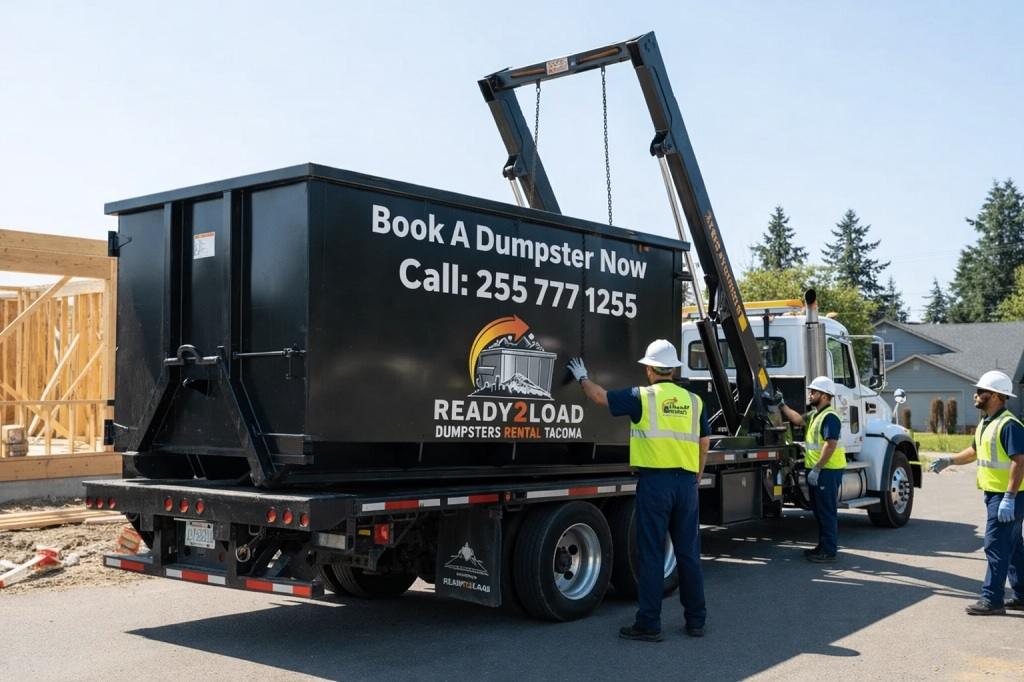
Larger residential and light commercial projects benefit from 30-yard containers measuring roughly 22 feet long, 8 feet wide, and 6 feet high. These units handle complete home additions, whole-house siding replacements, or new construction projects for smaller structures.
The 30-yard size accommodates nine pickup truck loads and supports 4 to 5 tons of construction debris. Homeowners tackling major renovations involving multiple rooms simultaneously find this capacity prevents work stoppages for container swaps.
40-Yard Dumpsters
The largest residential option spans approximately 22 feet long, 8 feet wide, and 8 feet high, providing maximum capacity for extensive projects. Commercial construction, complete home demolitions, or large-scale remodeling ventures require this size to maintain workflow efficiency.
Forty-yard containers hold twelve pickup truck loads and accommodate 5 to 6 tons of mixed materials. This size proves essential for projects generating continuous waste streams over extended periods, eliminating productivity losses from frequent container exchanges.
Matching Container Size to Project Type
Kitchen and Bathroom Renovations
Kitchen remodels typically generate 4 to 6 cubic yards of debris when replacing cabinets, countertops, and flooring without moving walls. A 10-yard container suffices for cosmetic updates, while gut renovations removing drywall, plumbing, and subflooring require 20-yard units.
Bathroom renovations produce less volume but often include heavy materials like cast iron tubs, tile, and concrete backerboards. Most bathroom projects fit comfortably in 10-yard containers unless you’re renovating multiple bathrooms simultaneously, which necessitates upgrading to 20-yard capacity.
Roofing Projects
Roof replacement size directly correlates with required dumpster capacity. Homes with 1,500 square feet of roofing typically need 20-yard containers, while properties exceeding 3,000 square feet require 30 to 40-yard units. Asphalt shingles weigh considerably more than homeowners expect, with complete tear-offs generating 3 to 5 tons of material.
Multiple-layer shingle removal demands larger containers than single-layer projects. If your roof has two or three layers of existing shingles, automatically upgrade one container size to avoid overfilling and weight violations.
Whole Home Renovations
Comprehensive remodeling projects affecting multiple rooms simultaneously require 30 to 40-yard containers to maintain project momentum. These renovations generate diverse waste streams including drywall, lumber, fixtures, flooring, and exterior materials throughout extended timelines.
Staged renovations tackling one room at a time can utilize smaller containers with scheduled exchanges between phases. However, this approach increases total rental costs through multiple delivery fees and extended rental periods.
Weight Restrictions and Material Considerations
Heavy Debris Planning
Weight limits often matter more than volume for projects involving concrete, brick, dirt, or roofing materials. Most ready2load dumpsters rental services impose tonnage caps ranging from 2 tons for small containers to 6 tons for large units, with overage fees applying to excess weight.
Concrete and asphalt projects require specialized pricing due to extreme weight-to-volume ratios. A 10-yard container filled with concrete easily exceeds weight limits despite appearing half empty. Professional services recommend dedicated concrete containers with reinforced construction and adjusted pricing structures.
Mixed Material Strategy
Combining heavy and light materials optimizes container capacity while respecting weight restrictions. Placing concrete chunks or brick at the bottom, then filling remaining space with lighter lumber, drywall, or packaging materials maximizes value. This layering approach helps homeowners stay within weight allowances while utilizing full container volume.
Prohibited materials including paint, chemicals, tires, and electronics require separate disposal arrangements. Attempting to include restricted items results in rejection fees, additional hauling charges, or complete service refusal.
Placement and Access Requirements
Location Considerations
Container placement significantly impacts project efficiency and property protection. Driveways offer easiest access for both delivery trucks and construction crews, though homeowners should place plywood sheets under containers to prevent surface damage. Street placement requires permits in most municipalities, with approval timelines extending 3 to 7 business days.
Delivery trucks need 60 feet of straight clearance for safe container positioning, with additional vertical clearance of 23 feet for overhead wires and tree branches. Narrow driveways, tight corners, or low-hanging obstacles may necessitate smaller containers or alternative placement locations.
Permit Requirements
Local dumpster regulations vary significantly by jurisdiction, with Tacoma requiring permits for any container placed on public property including streets, sidewalks, or right-of-ways. Private property placement typically avoids permit requirements, though homeowner association rules may impose additional restrictions.
Permit costs range from $10 to $100 depending on container size, placement duration, and local regulations. Professional dumpster rental Tacoma providers often handle permit applications as part of their service, streamlining the approval process for customers.
Cost Optimization Strategies
Rental Duration Planning
Most dumpster rentals include 7 to 14-day rental periods, with daily fees applying to extensions. Accurate project timeline estimation prevents unnecessary extension charges while ensuring adequate time for waste accumulation and final cleanup.
Scheduling delivery for the project start date rather than several days early eliminates wasted rental days. Similarly, coordinating pickup immediately after project completion rather than holding the container “just in case” reduces total costs.
Size Selection Economics
Renting a slightly larger container costs 10 to 20 percent more upfront but eliminates expensive secondary rentals when projects exceed initial estimates. The cost difference between 20-yard and 30-yard containers typically ranges from $50 to $100, while scheduling a second delivery incurs full rental fees plus additional delivery charges.
Professional contractors recommend upsizing one container level when project scope includes any uncertainty about debris volume or timeline extensions. This conservative approach prevents work stoppages and maintains project momentum worth far more than minor rental savings.
Professional Guidance Benefits
Expert Assessment Services
Reputable ready2load dumpsters rental companies provide free project consultations helping homeowners select appropriate container sizes based on detailed project descriptions. These assessments consider material types, project duration, and site access constraints that inexperienced renters often overlook.
Professional estimators leverage years of experience across thousands of projects, accurately predicting debris volumes that homeowners struggle to visualize. Their recommendations typically prove more accurate than online calculators or general size guides, preventing both undersizing and oversizing mistakes.
Flexible Exchange Options
Quality rental services offer container exchange programs allowing size adjustments if initial selections prove inadequate. While exchanges incur additional delivery fees, they cost significantly less than overage penalties or secondary rentals from scratch.
Understanding your provider’s exchange policies before finalizing rental agreements ensures flexibility if project scope changes unexpectedly. Some companies include one free exchange within the first 48 hours, recognizing that debris volume becomes clearer once demolition begins.
Key Takeaways
- Residential renovations typically require 10 to 20-yard containers, while major construction projects need 30 to 40-yard units for efficient waste management
- Weight restrictions often matter more than volume for projects involving concrete, brick, roofing materials, or heavy debris that can exceed tonnage limits despite container space remaining
- Adding 20 percent buffer capacity to initial debris estimates prevents costly overages and eliminates project delays from undersized container selection
- Street placement requires municipal permits taking 3 to 7 days for approval, while private property locations typically avoid permitting requirements
- Upsizing one container level costs 10 to 20 percent more but eliminates expensive secondary rentals when projects exceed initial volume predictions
- Professional consultation services provide accurate size recommendations based on material types, project scope, and site constraints that online calculators cannot assess
FAQ
What happens if I fill my dumpster above the top rim?
Overfilled containers create serious safety hazards during transport and violate hauling regulations in most jurisdictions. Rental companies cannot legally transport dumpsters with debris extending above the container walls due to load securement requirements and highway safety codes. You’ll need to remove excess material before pickup, potentially requiring manual labor to redistribute waste or arrange supplementary disposal. Most providers charge flat fees between $50 and $150 for overfill violations, plus additional costs if they need to return for a second pickup attempt. Planning for adequate capacity from the start prevents these complications and associated expenses.
Can I switch to a larger dumpster size after my rental starts?
Most professional rental companies accommodate size upgrades through container exchange services, though policies and fees vary significantly between providers. The process typically involves scheduling a pickup of your current container and immediate delivery of the larger replacement unit. Exchange fees generally include transportation charges for both movements, ranging from $75 to $200 depending on your location and new container size. Some companies waive exchange fees if requested within the first 24 to 48 hours, recognizing that actual debris volume becomes apparent only after demolition begins. Contact your rental provider immediately when you realize your current size won’t suffice rather than attempting to compress materials or create unsafe overfill situations.
How do I estimate debris volume for projects I’ve never done before?
Professional contractors recommend breaking your project into specific components and researching average debris volumes for each element separately. For example, removing kitchen cabinets generates approximately 1 cubic yard per linear foot of cabinetry, while drywall removal produces roughly 1 cubic yard per 100 square feet of wall surface. Online dumpster calculators provided by rental companies help translate these component estimates into total container requirements when you input specific project details. However, direct consultation with experienced rental providers yields more accurate recommendations since they’ve handled thousands of similar projects and understand how materials compress and settle in containers. Most reputable companies offer free project assessments where you describe your renovation scope and they recommend appropriate sizing based on proven experience rather than theoretical calculations.