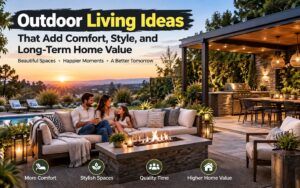

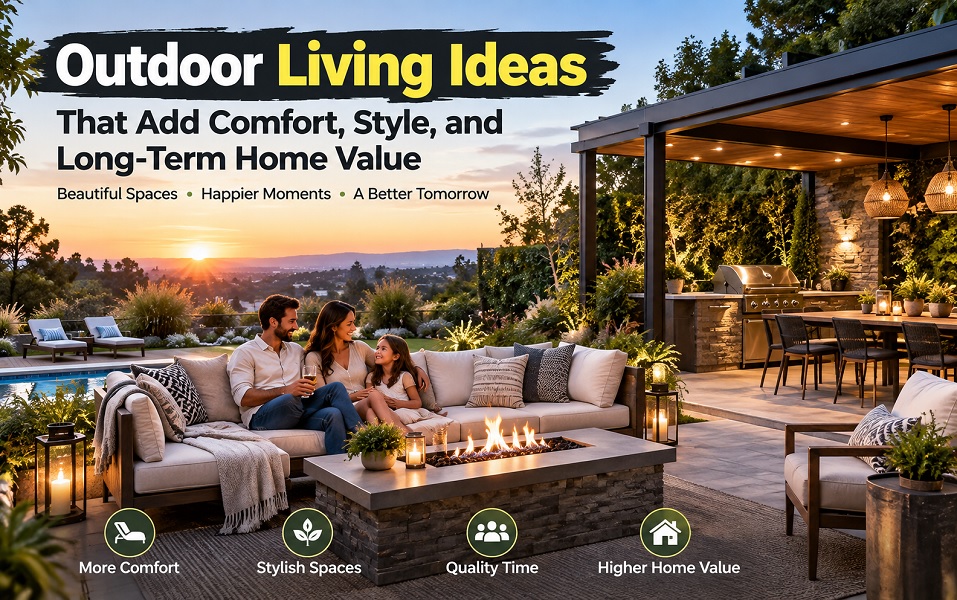
Homeowners today are rethinking what it means to relax at home, and outdoor spaces have become central to that shift. According to Christopher Dardarian, well-planned outdoor upgrades do more than beautify a yard; they extend living space, boost daily comfort, and quietly raise property value over time. This growing trend reflects a broader desire for spaces that feel personal, functional, and worth the investment.
Outdoor living is no longer an afterthought reserved for warm weekends. Families are treating patios, decks, and gardens as extensions of their indoor rooms, complete with seating, lighting, and shade. This shift has pushed designers to think year-round, not just seasonally, when planning outdoor upgrades.
Why Comfort Should Come First
Comfort is the foundation of any outdoor space that gets used often rather than admired from a window. Seating that supports long conversations, shade that blocks harsh afternoon sun, and flooring that stays cool underfoot all determine whether a space becomes a daily habit or a rarely visited corner. Homeowners who prioritize comfort early tend to spend more time outside, which naturally justifies further investment in the space.
Small comfort details often matter more than large structural changes. A cushioned bench, a well-placed fan, or a rug that defines a seating zone can transform how a space feels without a major budget. These low-cost adjustments create immediate satisfaction while larger projects, like pergolas or fire features, are planned and budgeted over time.
Choosing Materials That Age Well
Material selection determines how an outdoor space looks and performs five or ten years down the line. Composite decking, natural stone, and treated hardwoods resist weather damage better than budget alternatives, reducing long-term repair costs. Choosing materials with proven durability in local climate conditions prevents the common mistake of replacing surfaces every few seasons.
Texture and color also play a role in how spaces feel over time. Lighter stone tones stay cooler in direct sun, while darker composite boards can absorb heat in warmer climates. Matching material choices to regional weather patterns, not just aesthetic trends, keeps outdoor spaces functional and attractive for years without constant upkeep.
Lighting That Extends Usable Hours
Good lighting design turns an outdoor space from a daytime-only feature into something usable well into the evening. Layered lighting, combining path lights, string lights, and accent fixtures, creates depth and warmth without harsh glare. This approach mirrors indoor lighting principles, where mood and function are balanced rather than relying on a single overhead source.
Solar and low-voltage LED systems have made quality lighting more accessible and energy-efficient than older wiring setups. Homeowners can install these systems gradually, starting with key pathways or dining areas before expanding to accent lighting on trees or architectural features. This phased approach keeps costs manageable while steadily improving the space’s evening appeal.
Landscaping That Frames the Space
Landscaping does more than add greenery; it frames outdoor living areas and creates a sense of privacy and structure. Strategic planting along property lines can reduce noise, block unwanted views, and soften hard architectural edges like fences or retaining walls. This layered approach to greenery often has a bigger visual impact than a single large tree or shrub.
Native plants deserve particular attention because they require less water and maintenance while supporting local ecosystems. Choosing species suited to the regional climate reduces the need for constant replacement and chemical treatment. This practical approach to landscaping pairs sustainability with long-term cost savings, a combination increasingly valued by homeowners.
Outdoor Kitchens and Entertaining Zones
Outdoor kitchens have moved from luxury add-ons to practical extensions of the home, especially for families who entertain regularly. A functional setup does not require a full indoor-style kitchen; a grill, counter space, and small refrigerator often cover most entertaining needs. This scaled approach makes outdoor cooking spaces accessible to a wider range of budgets.
Christopher Dardarian notes that entertaining zones work best when they consider traffic flow between cooking, dining, and lounge areas. Poorly planned layouts force guests to crowd around a single grill or table, reducing the space’s usability during gatherings. Thoughtful zoning, even in smaller yards, allows multiple activities to happen simultaneously without congestion.
Water Features for a Calming Atmosphere
Water features add a sensory layer to outdoor spaces that visual design alone cannot achieve. The sound of moving water can mask street noise and create a calming backdrop for relaxation or conversation. Even small fountains or bubbling urns can produce this effect without the space or maintenance demands of a full pond.
Maintenance requirements vary significantly between water feature types, and this should factor into the decision process. Recirculating fountains generally require less upkeep than koi ponds or waterfalls with complex filtration systems. Homeowners should match the feature’s complexity to their willingness to perform regular maintenance, avoiding features that become burdensome rather than enjoyable.
Shade Structures and Weather Protection
Shade structures determine how much of the year an outdoor space remains comfortable and usable. Pergolas, retractable awnings, and shade sails each offer different levels of coverage and flexibility depending on sun exposure and climate. Retractable options provide adaptability for changing seasons, while fixed structures offer consistent protection with less maintenance.
Weather protection extends beyond sun coverage to include wind and light rain resistance. Partial enclosures, such as those with rolling shades or glass panels, allow outdoor spaces to remain functional during milder storms or breezy evenings. This added protection increases the number of usable days per year, improving the return on the space’s overall investment.
Furniture Choices That Balance Style and Durability
Outdoor furniture selection requires balancing visual appeal with resistance to sun, moisture, and temperature swings. Materials like teak, aluminum, and all-weather wicker tend to outperform basic plastic or untreated wood in both appearance and lifespan. Investing in quality furniture upfront often costs less over time than repeatedly replacing lower-quality pieces damaged by weather exposure.
Layout flexibility also matters, particularly for households that host varying group sizes throughout the year. Modular seating and stackable chairs allow spaces to adapt from intimate family dinners to larger gatherings without needing separate furniture sets. This flexibility maximizes the functional value of furniture investments across different use cases.
Smart Technology in Outdoor Spaces
Smart technology has expanded beyond indoor rooms into gardens, patios, and decks, adding convenience without sacrificing aesthetics. Automated irrigation systems, app-controlled lighting, and outdoor speakers integrate seamlessly into modern designs while reducing manual upkeep. These systems often pay for themselves through water savings and reduced maintenance time over several seasons.
Christopher Dardarian points out that smart outdoor upgrades appeal particularly to buyers evaluating a home’s long-term convenience and efficiency. Features like weather-responsive sprinklers or motion-activated lighting signal a well-maintained, thoughtfully upgraded property. This perception can influence buyer interest and, in some cases, support stronger offers during resale negotiations.
Long-Term Value and Resale Considerations
Outdoor living upgrades consistently rank among the improvements that offer strong returns relative to their cost, particularly when they suit the local climate and buyer expectations. Decks, patios, and well-designed landscaping tend to appeal broadly, making them safer investments than highly specialized features. Homeowners planning for eventual resale should prioritize upgrades with wide appeal over highly personalized designs.
Documentation and quality craftsmanship also influence how outdoor improvements are perceived during a sale. Permits, warranties, and professional installation records reassure buyers that upgrades were completed properly and will hold up over time. This attention to detail transforms outdoor spaces from simple aesthetic additions into documented, value-adding features that support a stronger overall home valuation.