




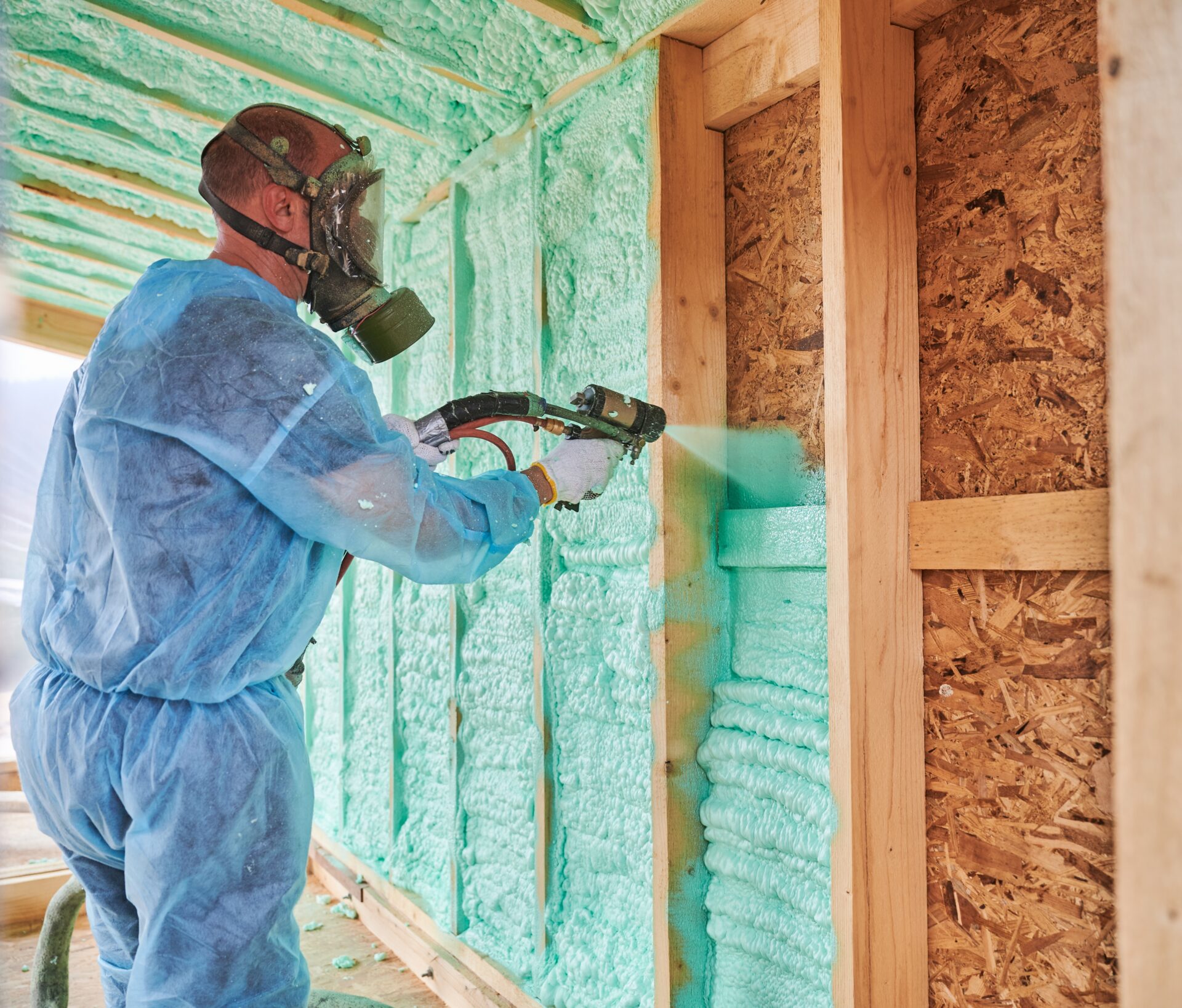
The spray foam insulation process is a modern approach to improving the thermal performance of buildings. Unlike traditional insulation materials that are installed as boards, rolls, or loose-fill products, spray foam is applied as a liquid that expands and forms a continuous insulating layer. When correctly designed and professionally installed, it can help reduce heat transfer, improve air sealing, and make indoor spaces more comfortable.
Understanding how spray foam insulation works is useful for homeowners, property managers, builders, and anyone considering an insulation upgrade. The process involves several important stages, from evaluating the building and preparing the area to applying the foam and completing quality checks.
What Is Spray Foam Insulation?
Spray foam insulation is a liquid insulation material that expands after application. It can be used in areas such as roofs, lofts, walls, floors, ceilings, and other building spaces, depending on the product and construction design.
There are different types of spray foam, with open-cell and closed-cell formulations being common categories. They have different densities, expansion characteristics, moisture properties, and thermal performance.
The appropriate product depends on the building structure, location of application, project objectives, and manufacturer’s specifications.
Step One: Inspecting the Property
The first stage of the spray foam insulation process should involve an assessment of the building.
A professional installer needs to understand where insulation is required and whether the existing structure is suitable for the proposed application. The assessment may consider the roof or wall construction, ventilation, moisture conditions, existing insulation, electrical services, plumbing, and accessibility.
Identifying potential problems before installation can help prevent complications later.
If there are signs of leaks, dampness, structural damage, or other building defects, these issues should generally be addressed before insulation work begins.
Step Two: Selecting the Appropriate Foam
Not every spray foam product is suitable for every application. Open-cell and closed-cell foams have different characteristics and should be selected according to the requirements of the building.
Open-cell foam generally has a softer and more flexible structure, while closed-cell foam is denser and can provide different moisture and thermal characteristics.
Installers should follow the manufacturer’s instructions regarding suitable surfaces, application thickness, temperature, ventilation, and curing requirements.
Step Three: Preparing the Area
Proper preparation is an important part of the process. Furniture, stored belongings, or other items may need to be removed or protected.
Surfaces should be clean and suitable for the product. Dust, loose materials, grease, and other contaminants can affect adhesion.
The installer should also identify areas where foam should not be applied. Windows, doors, ventilation openings, electrical components, fixtures, and other sensitive areas may require protection or specific treatment.
Good preparation contributes to a cleaner and more controlled installation.
Step Four: Protecting Occupants and Surrounding Areas
Spray foam application requires appropriate safety precautions. During installation and curing, the chemicals and vapours associated with the product require controlled handling.
Professional installers should use suitable personal protective equipment and follow the product manufacturer’s safety requirements.
Occupants may need to leave the application area during installation and for a specified period afterward, depending on the product and manufacturer’s guidance.
The exact re-entry period should always be confirmed with the installer and product documentation.
Step Five: Applying the Foam
The actual application is performed using specialised spray equipment. The two components of the foam system are combined and sprayed onto the prepared surface.
Once applied, the material expands and begins forming an insulating layer.
The installer controls the application to achieve the required coverage and thickness. Multiple passes may be required depending on the product and project specifications.
Application conditions are important. Temperature, surface condition, humidity, and equipment settings can affect the quality of the finished foam.
Step Six: Expansion and Curing
After application, spray foam expands and cures. During this stage, the material changes from its liquid form into a solid insulating layer.
The curing time varies according to the product, application conditions, thickness, and environmental factors.
Installers should follow manufacturer recommendations rather than assuming that every spray foam product cures at the same rate.
Proper curing is important because it allows the foam to achieve its intended physical characteristics.
Step Seven: Checking Coverage
After the foam has cured sufficiently, the installer should inspect the application.
The objective is to identify gaps, areas of insufficient coverage, excessive application, or other visible issues.
A continuous layer can help reduce unwanted air movement through cracks and gaps, but the foam should be installed according to the building design rather than simply applied as thickly as possible.
Professional inspection can help identify areas requiring correction.
Step Eight: Trimming Where Necessary
Some spray foam applications may require trimming after curing. Excess foam can be removed to achieve the required surface or clearance.
Trimming requirements depend on the application and product.
The installer should ensure that trimming does not compromise the intended insulation layer or create unnecessary gaps.
Air Sealing Benefits
One of the notable features of spray foam is its ability to form a relatively continuous layer over appropriately prepared surfaces.
Air leakage can contribute to unwanted heat transfer. Sealing suitable gaps and joints can therefore complement the thermal insulation provided by the foam.
However, insulation and ventilation must be considered together. A building still requires appropriate ventilation to maintain indoor air quality.
Improving Thermal Performance
The primary purpose of insulation is to reduce unwanted heat transfer.
During colder periods, insulation can help reduce heat escaping from heated indoor spaces. During warmer weather, it can also reduce the rate at which external heat enters a building.
The overall improvement depends on the insulation product, thickness, installation quality, building design, existing insulation, windows, doors, ventilation, and other factors.
Spray foam is therefore one component of an overall building-envelope strategy.
Moisture and Condensation Considerations
Moisture management is an important part of any insulation project. Insulation should not be used to hide an existing leak or unresolved damp problem.
Before installation, the building should be assessed for sources of moisture. The appropriate vapour-control strategy depends on the construction and climate.
Closed-cell and open-cell foams have different moisture characteristics, so product selection should be based on the specific application.
Professional advice is particularly important when insulating roofs, walls, or other areas where condensation could become a concern.
Roof and Loft Applications
Spray foam can sometimes be used in roof spaces, but roof construction requires careful consideration.
The insulation strategy must account for ventilation, roof condition, moisture movement, existing materials, and the manufacturer’s application requirements.
A roof should be inspected before installation. Any leaks or structural problems should be resolved first.
Wall Insulation Applications
Spray foam may also be considered for suitable wall cavities or building-envelope applications.
The construction type matters considerably. Different wall systems require different insulation approaches, and not every cavity or wall assembly is suitable for spray foam.
A qualified professional should assess the structure before recommending an application.
Professional Installation Matters
The quality of the spray foam insulation process depends heavily on correct preparation, product selection, equipment settings, application technique, and curing.
Poor installation can result in gaps, uneven coverage, adhesion problems, or other performance issues.
For this reason, homeowners should consider experienced professionals rather than treating spray foam as a simple do-it-yourself project.
Maintaining the Insulation
Once installed correctly, spray foam generally requires limited routine maintenance. However, homeowners should continue monitoring the building for leaks, moisture problems, damage, or changes to the roof and walls.
If renovations are planned later, contractors should be informed that spray foam insulation is present. Cutting or removing insulation may affect its performance.
Conclusion
The spray foam insulation process involves much more than simply spraying foam onto a surface. A successful installation begins with property assessment and product selection, followed by careful preparation, safety measures, controlled application, curing, inspection, and finishing.
When appropriately specified and professionally installed, spray foam can contribute to improved thermal performance and air sealing. However, insulation should always be considered alongside ventilation, moisture management, structural condition, and the overall design of the building.
Homeowners considering spray foam should obtain professional advice and ensure that the selected product is suitable for the intended application. A properly planned installation can provide a durable insulation solution while supporting a more comfortable and energy-efficient building.