



TL;DR: Choosing the right dumpster rental in Springfield Missouri depends on your renovation scope. Bathroom remodels typically need 10 yard containers, kitchen renovations require 20 yard dumpsters, and whole house projects demand 30 yard units. Load Hawk dumpster rentals offers various sizes to match your specific project requirements, helping Springfield homeowners avoid overpaying for unused capacity or dealing with overflow issues.
Summary: Home renovations generate substantial debris that requires proper disposal planning. This guide breaks down dumpster sizes available through dumpsters rental services in Springfield, matching container dimensions to specific renovation types. You will learn how to calculate debris volume, understand weight limits, and select the most cost effective option for your project timeline and budget.
Selecting the appropriate container size prevents costly mistakes during your renovation journey. Many Springfield homeowners underestimate their debris volume and end up paying premium rates for emergency pickups or container swaps. Understanding the relationship between project scope and container capacity ensures smooth waste management from demolition through final cleanup. Load Hawk dumpster rentals provides transparent pricing and expert guidance to help you make informed decisions about your specific renovation needs.
Understanding Roll Off Dumpster Sizes
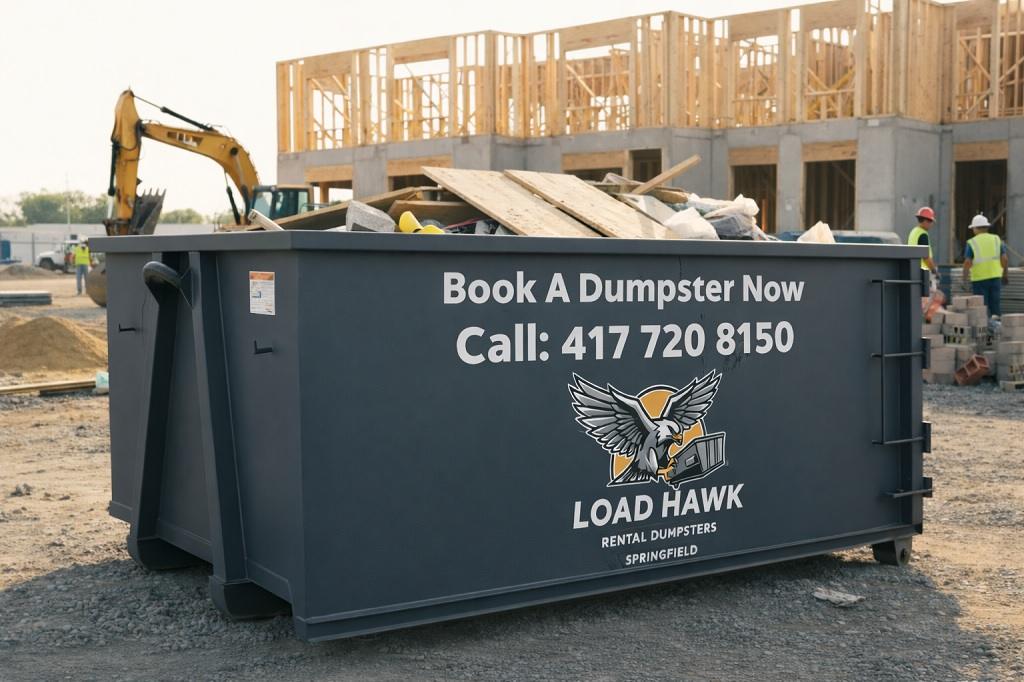
Residential dumpsters come in four standard sizes measured in cubic yards. The 10 yard container measures approximately 12 feet long, 8 feet wide, and 3.5 feet high. This compact option fits easily in most driveways and holds roughly 4 pickup truck loads of debris.
The 20 yard dumpster spans 22 feet long, 8 feet wide, and 4.5 feet high, making it the most popular choice for Springfield homeowners. This mid sized option balances capacity with manageability, holding about 8 pickup truck loads without overwhelming residential properties.
Larger projects require 30 yard containers measuring 22 feet long, 8 feet wide, and 6 feet high. These units accommodate 12 pickup truck loads and handle substantial renovation debris from multiple rooms. The 40 yard dumpster represents the largest residential option at 22 feet long, 8 feet wide, and 8 feet tall, typically reserved for major demolitions or new construction projects.
Bathroom Renovation Projects
Small bathroom remodels generate limited debris that fits comfortably in 10 to 15 yard containers. Typical bathroom demolition produces old fixtures, vanities, flooring materials, and drywall sections. A standard 5 foot by 8 foot bathroom remodel rarely exceeds the 10 yard capacity threshold.
Half bath renovations involving just toilet and sink replacements need only 10 yard dumpsters. Full bathroom projects with tub or shower removal may benefit from 15 yard containers to accommodate ceramic tile, cement board, and plumbing fixtures. Weight considerations matter when disposing of cast iron tubs or extensive tile work, as these materials quickly approach weight limits despite occupying minimal space.
Master bathroom renovations with double vanities, separate shower stalls, and soaking tubs typically require 15 yard containers. The additional square footage and fixture count generate more debris than standard bathrooms. Coordinating your dumpster rental Springfield timeline with demolition schedules prevents overflow situations during peak debris generation phases.
Kitchen Remodeling Debris
Kitchen renovations rank among the most debris intensive home improvement projects. A 20 yard dumpster handles most standard kitchen remodels efficiently. Removing cabinets, countertops, appliances, flooring, and drywall fills considerable space quickly.
Large kitchen projects involving structural changes like wall removal or complete floor replacement may need 30 yard containers. Open concept conversions generate substantial debris from demolished walls, relocated plumbing lines, and electrical system modifications. Cabinet removal alone contributes significant volume, especially in kitchens with extensive upper and lower cabinet systems plus pantry units.
Island demolition adds extra debris beyond standard perimeter cabinetry. Countertop materials vary in weight and disposal requirements, with granite and concrete surfaces approaching weight limits faster than laminate alternatives. Coordinating with Load Hawk dumpster rentals ensures proper container sizing based on your specific material types and quantities.
Multi Room Renovations
Whole house renovations or multiple room projects demand 30 to 40 yard dumpsters. These extensive undertakings generate continuous debris streams requiring maximum capacity containers. Projects affecting three or more rooms simultaneously benefit from larger units that eliminate mid project container swaps.
Adding room additions or finishing basements creates substantial waste from framing materials, drywall scraps, insulation, and packaging materials. New construction debris differs from demolition waste in composition but requires equal attention to volume planning. Flooring replacement throughout entire homes fills containers faster than anticipated, particularly when removing multiple layers of old flooring materials.
Attic conversions combine demolition and construction debris in single projects. Removing old insulation, adding dormer structures, and installing new finishes generates diverse waste types requiring adequate container capacity. Springfield contractors familiar with local building codes can provide renovation specific debris estimates for accurate container sizing.
Roofing and Exterior Projects
Roof replacements generate concentrated debris in short timeframes. A 20 yard dumpster accommodates most residential roofing projects up to 1,600 square feet. Asphalt shingles create heavy, compact debris that approaches weight limits before filling containers completely.
Two layer tear offs require larger containers or multiple pickups compared to single layer removals. Roofing debris contains nails, underlayment materials, flashing, and shingle bundles that compact densely. Scheduling your dumpsters rental delivery immediately before tear off begins prevents delays and keeps job sites organized.
Siding replacement projects vary in debris volume based on material types. Vinyl siding removal generates less weight than fiber cement or wood clapboard alternatives. Combining roofing and siding projects in single renovation phases may necessitate 30 yard containers or sequential dumpster deliveries to manage debris flow effectively.
Calculating Your Debris Volume
Accurate debris estimation prevents costly container sizing mistakes. Measure your renovation area length, width, and height in feet. Multiply these dimensions and divide by 27 to convert cubic feet into cubic yards. Add 20 percent buffer space to account for irregular shaped debris and packing inefficiencies.
Material density affects volume calculations significantly. Drywall and lumber occupy more space relative to weight compared to tile, concrete, or roofing materials. Heavy debris like bathroom fixtures or kitchen appliances consume minimal volume but contribute substantial weight toward container limits.
Springfield homeowners should consult with dumpster rental Springfield providers about specific material types before finalizing container orders. Load Hawk dumpster rentals offers project assessments helping customers match container sizes to actual renovation requirements rather than generic estimates.
Weight Limits and Overage Fees
Every container size includes specific weight limits within base rental rates. Exceeding these thresholds triggers overage fees ranging from 75 to 150 dollars per ton. A 10 yard dumpster typically accommodates loads under 5,000 pounds, while 20 yard units handle 5,000 to 8,000 pounds.
Projects involving concrete, brick, or stone require special attention to weight considerations. These materials reach weight limits well before filling containers volumetrically. Separating heavy materials into dedicated loads prevents overage charges and optimizes disposal costs.
Understanding the relationship between debris type and weight helps select appropriate container sizes. Kitchen remodels with granite countertops need different planning than those with laminate surfaces. Consulting with dumpsters rental professionals about material specific weight estimates ensures accurate cost projections and prevents unexpected fees.
Cost Efficiency Considerations
Container pricing increases with size, but larger units offer better cost per cubic yard ratios. A 10 yard dumpster costs 250 to 400 dollars, while 20 yard units range from 350 to 550 dollars. The 20 yard option costs only 25 to 40 percent more while providing 50 percent additional capacity.
Choosing undersized containers creates false economy situations. Multiple delivery fees, rental period extensions, and disrupted project timelines often exceed the savings from initially selecting smaller containers. Springfield homeowners should prioritize adequate capacity over minimal upfront costs when planning renovation waste management.
Rental periods typically span 7 to 14 days with daily fees applying to extended use. Coordinating container delivery with peak debris generation phases maximizes value by keeping units onsite only during active disposal periods. Load Hawk dumpster rentals works with customers to optimize delivery and pickup schedules around construction timelines.
Special Considerations for Springfield Properties
Springfield residential properties present unique access challenges affecting container placement. Narrow driveways, mature trees, and overhead power lines limit placement options for larger containers. Properties with restricted access may require smaller 10 yard units despite generating debris volumes suited for 20 yard containers.
Permit requirements vary by neighborhood and project scope. Springfield municipal codes regulate container placement duration and location relative to public rights of way. Verifying permit needs before scheduling delivery prevents compliance issues and potential fines during renovation projects.
Seasonal weather patterns in Missouri affect project timelines and debris disposal planning. Spring and fall represent peak renovation seasons with increased demand for dumpster rental Springfield services. Booking containers several weeks ahead during busy periods ensures availability matching your construction schedule.
Selecting Your Container Size
Start by identifying your specific renovation scope and material types. Single room projects rarely need containers exceeding 20 yards, while whole house renovations justify 30 to 40 yard units. Calculate debris volume using room dimensions and add safety margins for unexpected waste generation.
Consider your property layout and access limitations when finalizing container sizes. Larger units require adequate space for delivery trucks and container placement without damaging landscaping or hardscaping. Verify that selected sizes fit within available driveway or street parking areas complying with local regulations.
Consult with experienced dumpsters rental providers about project specific recommendations. Load Hawk dumpster rentals brings local Springfield expertise helping homeowners navigate size selection, weight management, and cost optimization for diverse renovation projects.
Key Takeaways
- Bathroom renovations typically need 10 to 15 yard dumpsters, while kitchen remodels require 20 yard containers for standard projects
- Calculate debris volume by measuring project dimensions in feet, dividing by 27, and adding 20 percent buffer space for packing inefficiency
- Weight limits matter as much as volume, with heavy materials like concrete and tile reaching thresholds before filling containers completely
- A 20 yard dumpster costs only 25 to 40 percent more than a 10 yard unit while offering 50 percent additional capacity
- Multi room renovations and whole house projects demand 30 to 40 yard containers to avoid mid project container swaps
- Property access constraints in Springfield may require smaller containers despite debris volumes suggesting larger options
- Overage fees of 75 to 150 dollars per ton apply when exceeding container weight limits, making accurate material assessment critical
FAQ
How long can I keep a rental dumpster at my Springfield property during renovation?
Standard rental periods run 7 to 14 days depending on your service provider and project needs. Most companies offer daily extension rates if your renovation timeline extends beyond the initial rental period. You should coordinate delivery timing with your demolition schedule to maximize the included rental duration. Keeping containers onsite only during active debris generation phases reduces unnecessary daily fees while ensuring adequate disposal capacity when you actually need it.
Can I mix different types of renovation debris in one dumpster?
General construction debris including wood, drywall, flooring, fixtures, and metal can combine in single containers for most residential renovations. However, hazardous materials like asbestos, paint, chemicals, and certain appliances require separate disposal through specialized services. Heavy materials like concrete, brick, and dirt often need dedicated containers due to weight restrictions. Contact your dumpster rental Springfield provider before loading to verify acceptance policies for specific materials in your renovation waste stream.
What happens if my renovation generates more debris than my dumpster holds?
You have several options when debris exceeds container capacity during your project. Schedule an early pickup and replacement with a fresh container of the same or larger size. Some providers offer container swaps at reduced rates compared to initial delivery fees. Alternatively, upgrade to a larger container size if significant debris remains and your property access accommodates bigger units. Planning with a slight capacity buffer prevents these situations, but flexibility exists when renovation scope expands unexpectedly beyond initial estimates.