



When homeowners consider upgrading or installing a new air conditioning system, price is often one of the most important factors. Trane air conditioners are known for their durability, advanced technology, and long-term performance, but many buyers want a clear understanding of what Trane AC systems cost and what they are paying for. While Trane is often positioned as a premium HVAC brand, its pricing reflects quality, efficiency, and reliability rather than just the equipment itself.
This article provides a detailed overview of Trane AC prices, the factors that influence cost, typical price ranges, installation considerations, and whether Trane air conditioners are worth the investment.
Overview of Trane AC Pricing
Trane air conditioner prices vary widely depending on the model, efficiency rating, system size, and installation requirements. Unlike basic window or portable units, Trane focuses on whole-home and high-performance cooling systems designed for long-term use.
In general, Trane AC systems fall into the mid-to-high price range in the HVAC market. However, they are designed to deliver strong value through energy efficiency, reduced maintenance, and long system lifespan.
Average Trane AC Price Range
While exact pricing depends on location and contractor, homeowners can expect approximate price ranges as follows:
- Entry-level Trane AC systems: Lower-cost models designed for basic cooling needs
- Mid-range Trane AC systems: Balanced systems offering better efficiency and comfort
- High-efficiency and premium Trane AC systems: Advanced models with variable-speed technology and smart features
The total price typically includes both the equipment cost and professional installation, which together form the final investment.
Factors That Affect Trane AC Prices
Several key factors influence how much a Trane air conditioner will cost.
1. System Size and Capacity
Air conditioners are sized based on cooling capacity, which must match the size and layout of the home. Larger homes require higher-capacity systems, which increases cost. Proper sizing is essential for efficiency and comfort.
2. Energy Efficiency Rating
Higher-efficiency Trane AC units generally cost more upfront but save money over time through reduced energy bills. Variable-speed and high-efficiency models tend to be more expensive than single-stage systems.
3. Model Type
Single-stage, two-stage, and variable-speed Trane AC systems vary significantly in price. Advanced models with more precise temperature control and quieter operation typically cost more.
4. Installation Complexity
Installation costs depend on factors such as existing ductwork, electrical upgrades, system replacement versus new installation, and home layout. More complex installations increase overall cost.
5. Location and Labor Costs
Labor rates vary by region, which can significantly impact final pricing. Local regulations and permit requirements may also affect cost.
6. Additional Features
Smart thermostat compatibility, noise-reduction technology, enhanced humidity control, and air quality add-ons can increase system price.
Trane AC Prices vs Other Brands
Trane AC systems are often priced higher than entry-level brands but are competitive with other premium HVAC manufacturers. The difference in price is typically justified by:
- Strong build quality
- Advanced engineering
- Long system lifespan
- Consistent performance
- Strong warranty support
Homeowners comparing brands should consider long-term operating costs, not just initial purchase price.
Installation Costs and What They Include
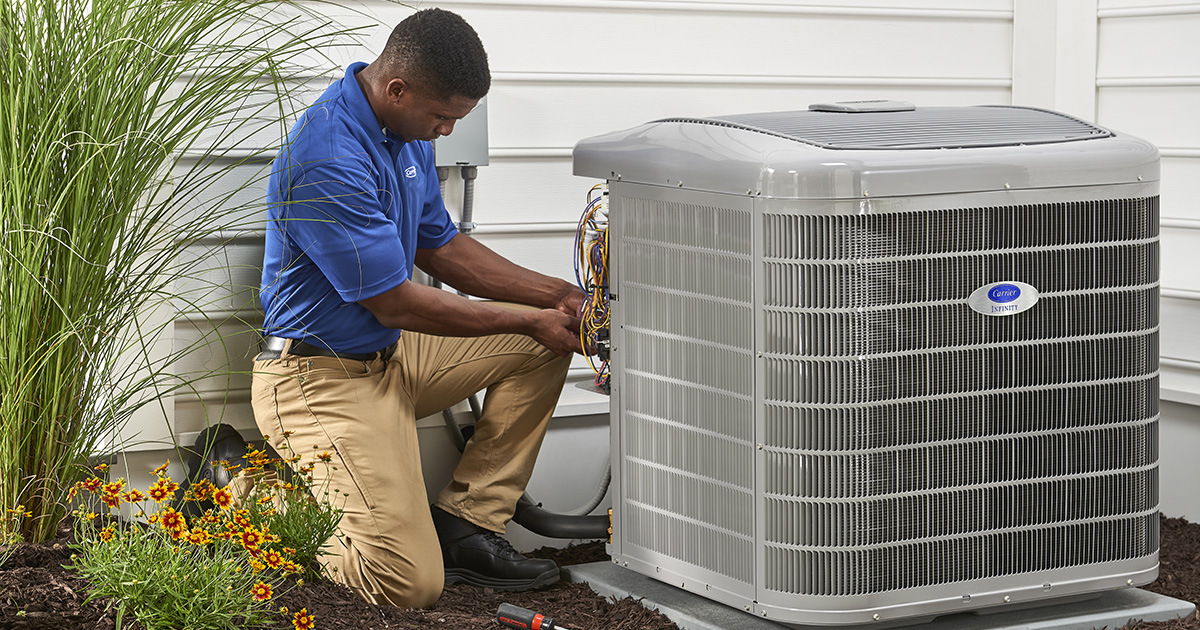
Installation is a major part of the total Trane AC price. Professional installation ensures proper system performance and warranty protection.
Installation costs usually cover:
- Removal of old equipment
- New system setup
- Electrical and refrigerant connections
- System testing and calibration
- Permits and inspections (where required)
Choosing an experienced HVAC contractor is critical to getting full value from a Trane air conditioner.
Operating Costs and Long-Term Savings
Although Trane AC systems may have higher upfront costs, they are designed to reduce long-term operating expenses. Energy-efficient systems consume less electricity, resulting in lower monthly utility bills.
Over the lifespan of the system, energy savings can significantly offset the initial investment. Additionally, reliable performance reduces repair and replacement costs.
Are Trane AC Systems Worth the Price?
For many homeowners, the answer is yes. Trane air conditioners are built for durability, efficiency, and comfort. Their higher upfront price often reflects better materials, advanced technology, and long-term reliability.
Homeowners who plan to stay in their homes for several years benefit the most from Trane systems due to energy savings and reduced maintenance.
Tips for Getting the Best Trane AC Price
To maximize value when purchasing a Trane air conditioner:
- Get multiple quotes from certified contractors
- Ask about energy rebates and incentives
- Choose the right system size for your home
- Compare efficiency ratings carefully
- Avoid overpaying for features you do not need
Working with a trusted HVAC professional ensures accurate pricing and proper system selection.
Financing and Payment Options
Many HVAC contractors offer financing options for Trane AC systems. This allows homeowners to spread the cost over time while enjoying immediate comfort improvements.
Financing plans may include low-interest or promotional payment options, depending on the contractor and local programs.
Maintenance and Warranty Considerations
Trane AC prices often include access to strong warranty coverage, which protects major components for several years. Proper maintenance is required to maintain warranty eligibility.
Regular servicing helps preserve system efficiency and prevent unexpected expenses.
Environmental Value
Energy-efficient Trane AC systems contribute to lower environmental impact by reducing energy consumption and emissions. Choosing high-efficiency models supports sustainability while lowering utility costs.
Trane AC prices reflect more than just the cost of cooling equipment—they represent quality, efficiency, and long-term value. While the initial investment may be higher than some alternatives, Trane air conditioners are designed to deliver reliable performance, lower operating costs, and lasting comfort.
By understanding the factors that influence pricing, comparing options carefully, and working with experienced professionals, homeowners can make informed decisions and get the best value from their Trane AC purchase.
For those seeking dependable, energy-efficient cooling with long-term benefits, investing in a Trane air conditioner remains a smart and practical choice.