


In modern architecture and interior design, acoustic panel walls have become an essential solution for managing sound, improving comfort, and enhancing aesthetics. Whether in homes, offices, studios, restaurants, or commercial buildings, noise control plays a crucial role in creating functional and pleasant environments. Acoustic panel walls not only reduce unwanted noise and echo but also add a sophisticated and contemporary design element to any space.
As urban living and open-concept interiors become more popular, the demand for effective soundproofing and acoustic treatment continues to grow. Acoustic wall panels offer a practical and stylish way to achieve both acoustic performance and visual appeal.
What Is an Acoustic Panel Wall?
An acoustic panel wall refers to a wall surface covered with specially designed sound-absorbing panels that help control noise levels and improve sound quality within a room. These panels are typically made from materials such as fabric, foam, wood, polyester fibre, or mineral wool, all engineered to absorb sound waves and reduce reverberation.
Unlike traditional walls that reflect sound, acoustic panel walls absorb sound energy, preventing echoes and reducing background noise. This makes them ideal for environments where clear communication, focus, and sound clarity are essential.
Acoustic panels can be installed as full wall coverings, feature walls, or decorative sections depending on the acoustic requirements and design preferences.
Why Acoustic Panel Walls Are Important in Modern Spaces
Noise pollution is a growing concern in both residential and commercial environments. Open office layouts, high ceilings, and hard surfaces like glass and concrete often cause sound to bounce around, creating echo and distractions. Acoustic panel walls help solve these issues by controlling sound reflections and enhancing overall acoustic comfort.
In workplaces, excessive noise can reduce productivity and concentration. In homes, especially apartments or shared living spaces, noise control improves relaxation and privacy. In hospitality and retail settings, a well-balanced acoustic environment enhances customer experience and communication.
By installing acoustic panel walls, spaces become quieter, more comfortable, and acoustically balanced.
Types of Acoustic Wall Panels
There are several types of acoustic panels available, each designed to meet different functional and aesthetic needs.
Fabric Acoustic Panels
Fabric panels are among the most popular choices due to their soft appearance and excellent sound absorption properties. They are commonly used in offices, conference rooms, and theatres. These panels come in various colours and textures, allowing seamless integration with interior design themes.
Wooden Acoustic Panels
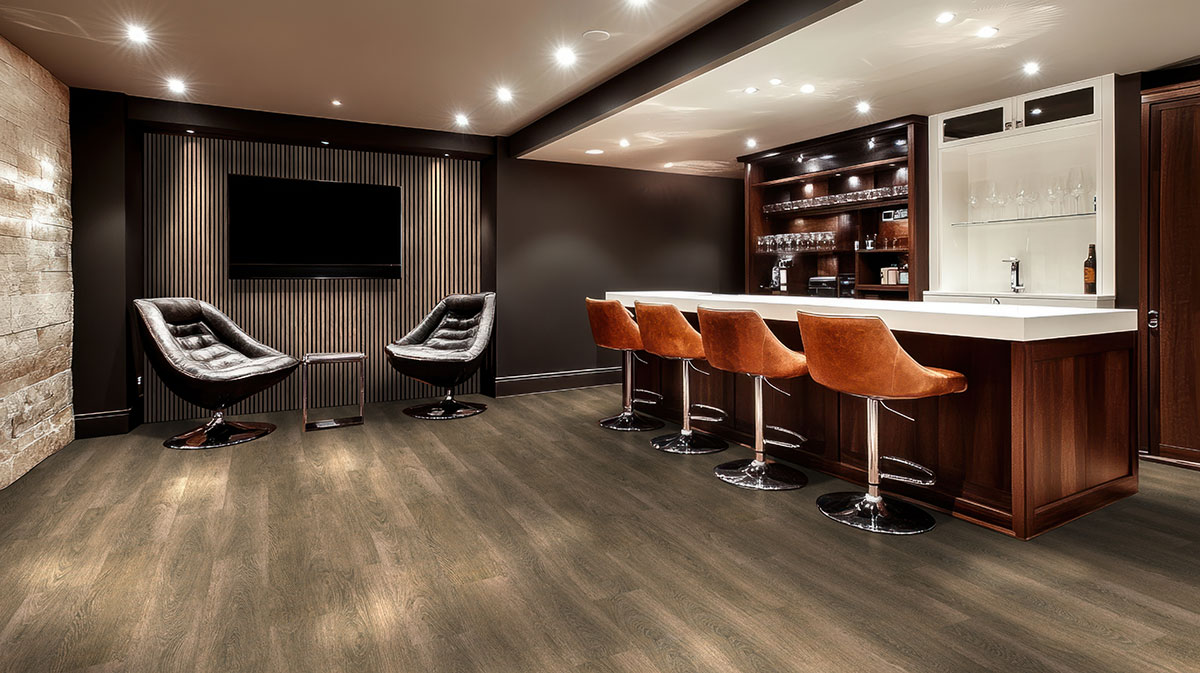
Wooden acoustic panels combine natural aesthetics with acoustic performance. Often designed with slats or perforations, they provide both sound absorption and a warm, elegant visual appeal. These panels are widely used in modern offices, auditoriums, and luxury interiors.
Foam Acoustic Panels
Foam panels are lightweight and highly effective for sound absorption. They are frequently used in recording studios, podcast rooms, and home theatres where precise sound control is required.
Polyester Fibre Panels
Eco-friendly and durable, polyester fibre acoustic panels are increasingly popular in commercial and educational environments. They offer strong acoustic performance while being sustainable and low maintenance.
3D Decorative Acoustic Panels
These panels serve a dual purpose by enhancing interior aesthetics while improving acoustics. Their textured surfaces diffuse sound waves, making them ideal for feature walls in modern interiors.
Benefits of Installing Acoustic Panel Walls
Improved Sound Quality
One of the primary benefits of acoustic panel walls is enhanced sound clarity. By reducing echo and reverberation, they create a more balanced acoustic environment, making conversations, music, and presentations clearer and more enjoyable.
Noise Reduction and Privacy
Acoustic panels help minimise noise transmission between rooms and reduce external noise disturbances. This is especially beneficial in offices, meeting rooms, and residential spaces where privacy is important.
Enhanced Aesthetic Appeal
Modern acoustic panels are designed to be visually appealing. They come in various colours, patterns, and textures, allowing designers to create stylish feature walls that elevate the overall interior design.
Increased Productivity and Comfort
In workplaces, reduced noise levels lead to better focus, increased productivity, and improved employee well-being. A quieter environment also reduces stress and enhances comfort.
Easy Installation and Maintenance
Acoustic panel walls are relatively easy to install compared to structural soundproofing methods. Many panels are modular and can be mounted directly onto existing walls. They also require minimal maintenance, making them a cost-effective long-term solution.
Applications of Acoustic Panel Walls
Offices and Corporate Spaces
Open-plan offices often suffer from high noise levels and distractions. Acoustic panel walls help create quieter work zones, meeting rooms, and collaborative spaces while maintaining a modern aesthetic.
Residential Interiors
In homes, acoustic panels are used in living rooms, home theatres, bedrooms, and study areas to improve sound comfort and reduce noise from neighbouring units or busy streets.
Recording Studios and Media Rooms
Sound control is critical in studios and media rooms. Acoustic wall panels help absorb unwanted sound reflections, ensuring professional audio quality and precise sound recording.
Hospitality and Retail Environments
Restaurants, hotels, and retail stores benefit from acoustic panels by creating a more pleasant and comfortable atmosphere for customers. Reduced noise levels enhance conversations and overall customer experience.
Educational Institutions
Schools, lecture halls, and training centres use acoustic panel walls to improve speech clarity and reduce noise distractions, leading to better learning outcomes.
Design Considerations for Acoustic Panel Walls
When planning an acoustic panel wall, several factors should be considered to achieve optimal performance and design harmony.
Panel Placement
Strategic placement is essential for effective sound absorption. Panels are typically installed on walls where sound reflections are strongest, such as opposite sound sources or on large flat surfaces.
Room Size and Purpose
The acoustic requirements of a recording studio differ from those of a living room or office. Understanding the function of the space helps determine the type and quantity of panels needed.
Material Selection
Choosing the right material affects both acoustic performance and visual appearance. For example, fabric panels offer high absorption, while wooden panels provide a balance of diffusion and aesthetics.
Design Integration
Acoustic panels should complement the interior design rather than appear as an afterthought. Modern panels are available in sleek, minimalist, and decorative styles that seamlessly blend with contemporary interiors.
Sustainability and Eco-Friendly Acoustic Panels
With increasing awareness of environmental responsibility, many manufacturers now offer sustainable acoustic panel solutions. Recycled polyester panels, low-emission materials, and eco-friendly production processes contribute to greener building practices.
Sustainable acoustic panels not only improve indoor acoustics but also support environmentally conscious interior design without compromising on performance or durability.
Cost and Long-Term Value
The cost of acoustic panel walls varies depending on materials, design, and installation complexity. While premium panels may have a higher initial investment, they offer long-term value through durability, energy efficiency, and improved acoustic comfort.
Investing in high-quality acoustic panels reduces the need for additional soundproofing solutions and enhances the overall functionality of the space.
Future Trends in Acoustic Panel Wall Design
The future of acoustic panel walls is focused on innovation, customisation, and smart design integration. Emerging trends include:
- Acoustic panels with integrated lighting
- Custom printed acoustic designs
- Smart sound-absorbing materials
- Modular and flexible panel systems
- Biophilic acoustic panels with natural textures
These advancements allow designers and architects to combine technology, sustainability, and aesthetics in modern interiors.
Conclusion
Acoustic panel walls are a powerful solution for improving sound control while enhancing interior design. From reducing noise and echo to adding visual sophistication, these panels offer both functional and aesthetic benefits for a wide range of environments.
Whether used in homes, offices, studios, or commercial spaces, acoustic panel walls create more comfortable, productive, and acoustically balanced interiors. With various materials, styles, and customisation options available, they can be tailored to meet the unique needs of any project.
As modern architecture continues to prioritise comfort, sustainability, and design innovation, acoustic panel walls will remain a key element in shaping quiet, stylish, and high-performance interior spaces. Investing in quality acoustic panels is not just about noise reduction — it is about creating environments that support well-being, communication, and modern living.